The Reading Lampnote 2
Get the second answer
Interviewing for a school paper: why the first reply is rarely the quote, and how The Light's reporters found the better one.
The first answer in an interview is the one the person has given before. It is polite, a little rehearsed, and usually too general to print. The second answer, the one that comes after "what do you mean by that?" or "when did you first notice?", is where the story lives.
Student reporters tend to stop at the first answer because stopping feels respectful. It is not disrespectful to ask again. Most people like being asked a real follow-up; it tells them you were listening. The old stories in The Light show both habits, and the difference is easy to hear.
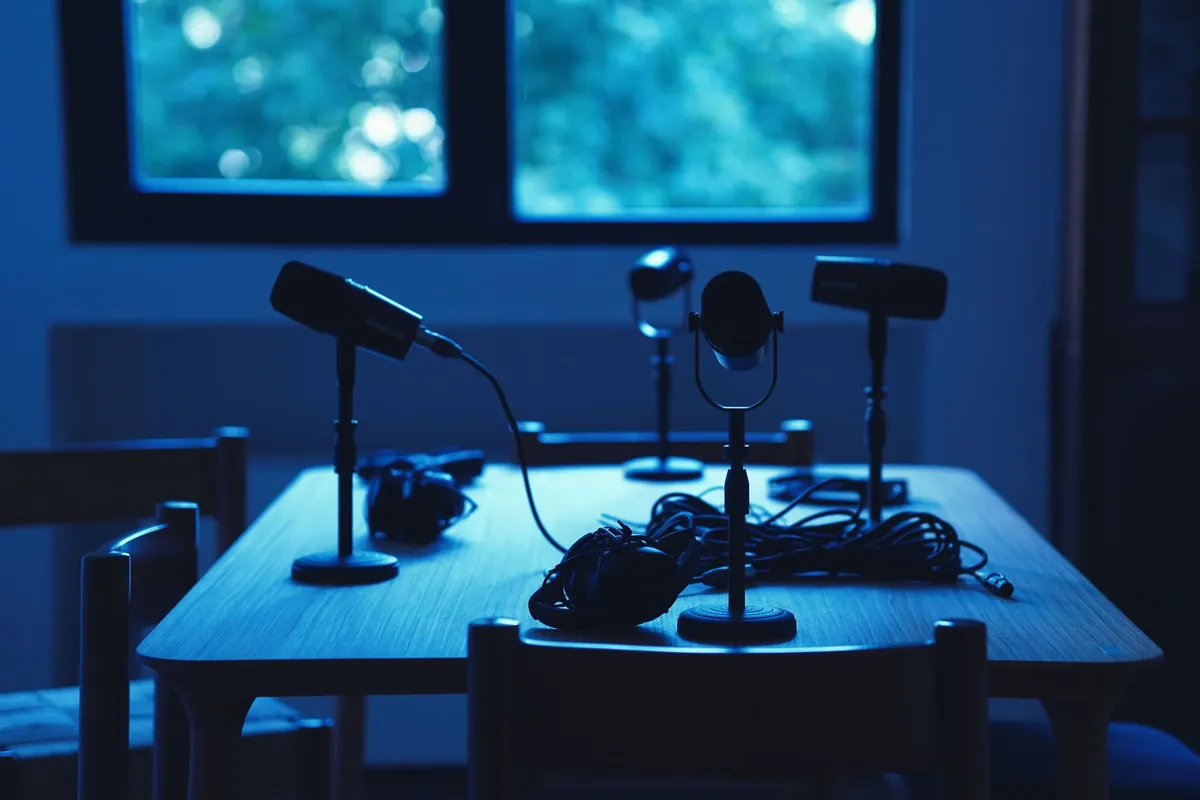
A profile where the best line comes late
The 2017 Teacher Feature: Ms. Broo is a long, affectionate profile of an SUA biology teacher. For most of its length the quotes are pleasant: college was "tough … but I loved it," research was "fascinating stuff," and teaching, the profile explains, was only ever meant as an experiment. Then, deep in the piece, the reporter asks why she stays in teaching, and gets this:
It is rough. You could make more money doing something else. I don’t think society always respects teachers compared to some other professions.
That is the quote a reader remembers, because it costs the speaker something to say. It also explains the rest of the profile: the summer lab work, the peer-reviewed article on fruit flies and climate change, the rewritten cancer unit. A reporter who had stopped at "I really like it" would have missed the reason.
The same profile has a paragraph that shows the opposite habit. Four people, two students and two colleagues, each contribute a compliment, stacked one after another. Each quote is kind. Together they read like a yearbook page, because none of them tells you something specific the others do not. Pick the one with a detail in it, use it, and spend the space on another question to the subject herself.
Reporting across a building
The Infamous Fact Checker is a quieter piece and a better model for news reporting. The writer wanted to know how teachers at SUA use Turnitin, and instead of asking one teacher she went department by department: literature, biology, math, foreign language, religion, social studies.
The payoff is disagreement. An English teacher uses it "on a daily basis for most assignments." The math department head says that in her subject the program "would say that everything is plagiarized," because correct answers look alike. A biology teacher says the only possible use would be lab reports. None of those voices alone is a story. Lined up, they show that a tool everyone assumes is universal is really an English-department habit. That finding exists only because the reporter kept walking down the hall.
If you are reporting on anything that happens across a school, a schedule change, a new tablet policy, a dress code, make a list of every group it touches and talk to at least one person in each. The quotes that do not match are the ones that make it news.
Ask for numbers, not feelings
The 2016 column Opinion: My Grades are Not My Identity argues that students check their online gradebook too often. What makes the argument stick is reporting. An assistant principal tells the writer that teachers can see students "checking PowerSchool 3-4 times a day, sometimes." Classmates then give their own counts: four times a day, two to four times a week, down from five a day as a freshman.
Notice what happened there. "Do you feel stressed about grades?" gets a yes and nothing else. "How many times did you check yesterday?" gets a number, and a number invites a story about why. Concrete questions produce concrete answers. Feelings follow on their own.
Group interviews, sorted
The 2016 feature Now and Then: The Light Staff interviews six former editors of the paper about life after SUA. Six interviews produce a pile of material, and the writer handled it well: instead of running them one by one, she sorted the answers into three themes (choosing a path, writing in college, memories) and let the voices answer each other. One alumna admits she is "still as indecisive" as she was senior year; another has switched from chemistry to marketing and is glad. One says her college "doesn't really follow the 5-paragraph essay layout." That last remark is more useful to a sophomore than any amount of general praise.
When you have many sources, organize by question, not by person. Readers follow ideas more easily than they follow a list of names.
What a professional said about it
In October 2017 SUA students heard from Ellen Byron, a Wall Street Journal staff reporter with 17 years at the paper. The Light's report on the visit records that her ideas "come from everywhere," from conversations with experts to items on store shelves to social media, and that she looks for "slices of culture." It is a fair description of interviewing too. The good material is rarely in the answer to the question you wrote down the night before. It is in the aside, the complaint, the thing the person mentions on the way out of the room.
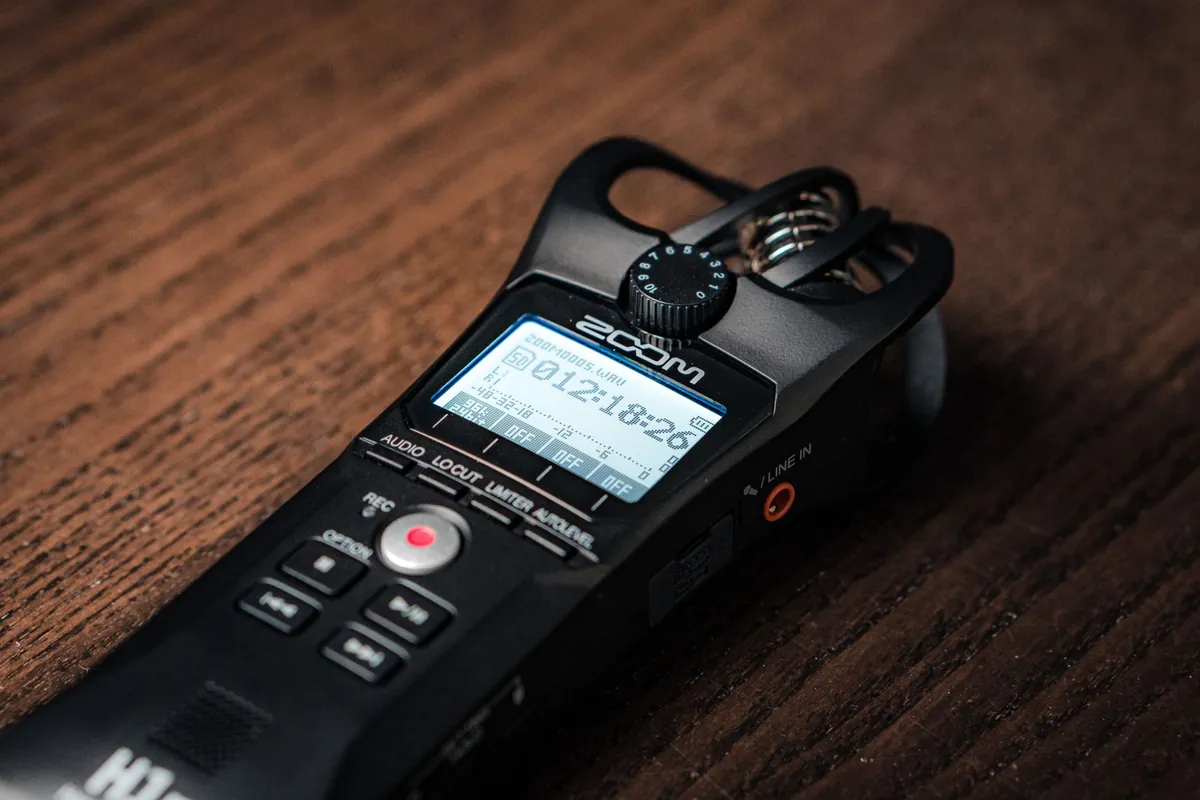
A short checklist before you hit record
- Write five questions, then cross out the two that can be answered with yes or no.
- Plan one follow-up for every question: "Can you give me an example?" works almost every time.
- Ask for a number, a date, or a name of a place at least once.
- Record if the person agrees, and still take notes on what they do with their hands and where they look. Description belongs to the reporter, not the recording.
- End with "What should I have asked you?" It is the most productive question in journalism, and it costs nothing.
One more thing, which matters a great deal on a school paper. The people you interview are your classmates and teachers, and you will see them tomorrow. Read their quotes back to them if they ask, keep their private lives out of a story that is about their work, and leave out anything they said after "off the record." That restraint is part of why people keep talking to student reporters, and it is why this archive, years later, leaves certain pages unpublished.
Stories from the archive read for this note
- Now and Then: The Light Staff, Caroline Leyes (February 28, 2016)
- Opinion: My Grades are Not My Identity, Emilie Kilfoil (December 19, 2016)
- The Infamous Fact Checker, Catherine Dieckman (December 16, 2016)
- Writing for the Wall Street Journal, Bebe Hodges (October 4, 2017)
- Teacher Feature: Ms. Broo, Gracie Davis (November 1, 2017)
Questions readers ask
What is the best follow-up question in an interview?
"Can you give me an example?" It turns a general answer into a specific one almost every time. "What should I have asked you?" is a close second, and it belongs at the end.
How many people should a student reporter interview for a news story?
At least one person from every group the story affects. The 2016 Turnitin story talked to teachers in six departments, and the disagreement between them became the news.
Should I let a classmate read their quotes before publication?
Many school papers allow it for accuracy, though not for approval of the whole story. Ask your adviser what your paper's policy is, and keep anything said off the record out of print.
Next note: Opinion without the megaphone